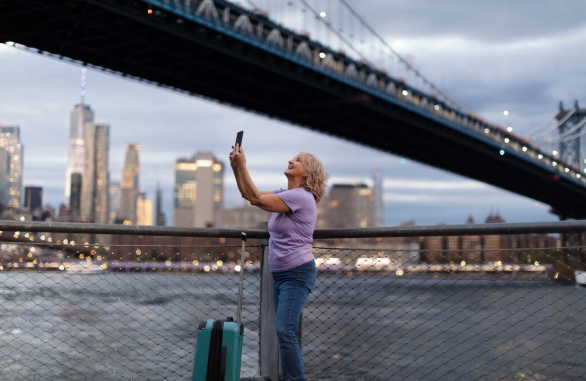
Traveling to major cities in the United States can be exciting, but popular destinations can also be expensive. Cities such as New York City, San Francisco, Los Angeles, Boston, Seattle, Miami, and Washington, D.C., can have high accommodation, transportation, dining, and entertainment costs.
The good news is that visiting an expensive city does not necessarily mean spending a large amount of money. With thoughtful planning, flexible travel dates, affordable accommodation choices, public transportation, free attractions, and careful meal planning, travelers can reduce their overall expenses.
These budget travel tips for expensive cities in the USA can help you enjoy a city while keeping your travel spending under control.
Why Are Major U.S. Cities Expensive?
Before planning a budget trip, it helps to understand why some cities cost more than others.
Large cities often have high demand for hotels, restaurants, attractions, and transportation. Prices can increase further during holidays, major events, festivals, conferences, and peak tourism periods.
Location also affects cost. Hotels in central neighborhoods or close to major attractions can be significantly more expensive than accommodations farther away.
Travelers can reduce costs by understanding which expenses are flexible and which are difficult to avoid.
1. Choose Your Travel Dates Carefully
One of the easiest ways to save money is to be flexible about when you travel.
Hotel and flight prices can change significantly depending on demand. Major holidays, weekends, school breaks, and special events can increase costs.
If possible, compare several travel dates before booking.
Traveling during a less busy period may provide lower accommodation prices and fewer crowds. However, weather and attraction availability should also be considered.
2. Compare Different Neighborhoods for Accommodation
Staying directly in the center of an expensive city can be convenient but costly.
Instead, look at nearby neighborhoods or communities that have good public transportation connections.
For example, travelers visiting a major city can compare:
- Central hotels
- Budget hotels outside downtown
- Hostels
- Guesthouses
- Vacation rentals
- Extended-stay accommodations
The cheapest room is not always the cheapest overall option. Consider transportation costs and travel time before making a decision.
3. Use Public Transportation
Transportation can become a major part of a city-trip budget.
Many large U.S. cities have public transportation systems that can be less expensive than relying on taxis or rideshare services for every journey.
Depending on the destination, options may include:
- Subway systems
- Buses
- Light rail
- Commuter trains
- Streetcars
- Ferries
Before arriving, research fares, passes, routes, and operating hours.
4. Walk When Practical
Walking can be one of the most affordable ways to explore a city.
Many popular destinations are located relatively close to one another. Walking also allows travelers to discover neighborhoods, parks, architecture, markets, and local businesses that they might miss while traveling by car.
However, consider weather, distance, traffic, and personal safety when deciding whether to walk.
5. Look for Free Attractions
Expensive cities often have many attractions that do not require an admission fee.
Examples can include:
- Public parks
- Beaches
- Walking trails
- Historic neighborhoods
- Public art
- Waterfront areas
- Outdoor markets
- Free cultural events
- Public viewpoints
Museums may also have free admission days or suggested-donation periods, depending on the institution.
Check official attraction websites for current admission policies before visiting.
6. Take Advantage of Free City Experiences
A city can often be enjoyed without purchasing tickets to every major attraction.
You might spend an afternoon walking through a historic district, visiting a public park, exploring a waterfront, or enjoying local architecture.
Create an itinerary that combines free activities with one or two paid attractions.
This can make a trip more affordable without eliminating sightseeing.
7. Eat Breakfast Before Leaving Your Accommodation
Eating every meal at restaurants can quickly increase travel costs.
A simple breakfast from a grocery store, bakery, or affordable café may cost less than a full restaurant breakfast.
Depending on your accommodation, you may also be able to prepare breakfast yourself.
Simple options can include:
- Fruit
- Yogurt
- Oatmeal
- Cereal
- Bread
- Coffee
- Breakfast sandwiches
8. Visit Grocery Stores and Local Markets
Buying some food from a grocery store can help reduce dining expenses.
You can purchase snacks, drinks, fruit, sandwiches, and other convenient foods for your hotel or day trip.
Local markets can also provide opportunities to experience regional food without necessarily paying for a full-service restaurant meal.
9. Research Affordable Restaurants
Budget travel does not mean avoiding local food entirely.
Instead, research restaurants that offer reasonable prices.
Look beyond the most tourist-focused areas. Neighborhood restaurants, food halls, casual eateries, bakeries, and local markets may provide different price options.
Check menus and prices online before choosing a restaurant.
10. Avoid Tourist Traps
Restaurants and shops located immediately next to major attractions may have higher prices.
That does not mean every business in a tourist area is overpriced, but comparing nearby options can help you identify better-value choices.
Walking a few blocks away from a major attraction may provide additional dining options.
11. Set a Daily Travel Budget
A daily budget makes it easier to control spending.
Your budget might include separate categories for:
- Accommodation
- Food
- Transportation
- Attractions
- Shopping
- Emergency expenses
For example, instead of deciding what to spend throughout the day, establish a general spending limit before leaving your accommodation.
Keep some flexibility for unexpected expenses.
12. Buy Attraction Tickets Strategically
If you plan to visit several paid attractions, compare individual ticket prices with available attraction passes.
Some cities offer sightseeing passes that combine multiple attractions. Whether such a pass saves money depends entirely on which attractions you visit and how many you can realistically fit into your schedule.
Calculate the individual admission costs before purchasing a pass.
13. Look for Museum Free Days
Some museums and cultural institutions offer free or discounted admission at certain times.
These policies vary by city and institution, so always check the official website for current information.
If your travel schedule is flexible, planning around free admission periods can reduce entertainment costs.
14. Consider Hostels
Hostels can be an affordable accommodation option, particularly for solo travelers.
Some hostels offer dormitory-style rooms, while others have private rooms.
When comparing hostels, consider more than the nightly price. Check location, transportation access, reviews, included amenities, and additional fees.
15. Consider Staying Outside Downtown
Downtown accommodation may be convenient but expensive.
A hotel or rental located farther away may offer lower rates.
However, calculate the cost and time required to reach the attractions you want to visit. A cheaper hotel that requires expensive daily transportation may not provide meaningful savings.
16. Travel With Friends or Family
Sharing certain travel expenses can reduce the cost per person.
Depending on the accommodation and rules of the property, a room or rental shared among several travelers can sometimes cost less per person than separate rooms.
Group travel can also make some transportation costs easier to divide.
17. Avoid Unnecessary Car Rentals
A rental car can be useful in some U.S. destinations, but it may be unnecessary in cities with extensive public transportation.
In addition to the rental price, travelers may need to pay for:
- Fuel
- Parking
- Tolls
- Insurance
- Rental fees
Before renting a car, determine whether you actually need one.
18. Compare Airport Transportation
Getting from the airport to your accommodation can be surprisingly expensive.
Depending on the city, options may include public transportation, airport buses, commuter trains, shared transportation, taxis, or rideshare services.
Compare the total cost and travel time before choosing an option.
19. Travel With Reusable Essentials
Small purchases can add up during a trip.
Carrying a reusable water bottle, snacks, charging equipment, and basic travel supplies can reduce the need for frequent convenience-store purchases.
Make sure any liquids or other items comply with transportation and venue rules.
20. Avoid Overspending on Shopping
Major U.S. cities can offer excellent shopping opportunities, but shopping can quickly increase a travel budget.
Create a shopping allowance before your trip.
If you want souvenirs, consider setting a specific amount rather than making spontaneous purchases throughout the trip.
21. Use Travel Rewards Carefully
Credit-card rewards, hotel loyalty programs, and airline points can sometimes reduce travel costs.
However, rewards should not encourage unnecessary spending. Compare the actual value of points and consider fees, restrictions, expiration policies, and availability.
22. Build a Free-Day Itinerary
A useful strategy for expensive cities is to intentionally create one or more low-cost days.
For example, a day might include:
Morning: Walk through a historic neighborhood
Afternoon: Visit a public park or free museum
Evening: Explore a waterfront or public square
This can balance more expensive activities scheduled on other days.
23. Research Before You Arrive
Planning ahead can prevent unnecessary expenses.
Research:
- Transportation options
- Attraction admission
- Restaurant prices
- Free activities
- Hotel fees
- Parking costs
- Local passes
- Neighborhoods
- Event schedules
A few hours of research can help you identify affordable alternatives before arriving.
24. Watch for Extra Hotel Fees
When comparing hotels, look beyond the advertised nightly rate.
Additional costs can include:
- Resort fees
- Parking fees
- Taxes
- Wi-Fi charges
- Cleaning fees
- Destination fees
Read the complete pricing information before booking so that you can compare accommodations accurately.
Budget-Friendly Approach to Major U.S. Cities
Different cities require different strategies.
New York City
Use the subway and walk between nearby attractions. Explore public parks, neighborhoods, and free public spaces, and compare accommodation outside the most expensive areas.
San Francisco
Public transportation can help reduce transportation costs. Travelers can also explore neighborhoods, parks, waterfront areas, and viewpoints without paying admission.
Los Angeles
Los Angeles is geographically spread out, so transportation planning is especially important. Group nearby activities together to reduce unnecessary driving.
Boston
Boston’s walkable areas and public transportation can make it possible to explore many attractions without renting a car.
Washington, D.C.
Washington, D.C., has numerous museums and public attractions with no general admission charge, although individual policies can vary.
Miami
Travelers can combine beach time and outdoor activities with selected paid attractions. Accommodation location and transportation costs should be compared carefully.
Final Thoughts
Visiting expensive U.S. cities on a budget requires planning rather than eliminating all enjoyable experiences. The most useful budget travel tips for expensive cities in the USA include choosing flexible travel dates, comparing neighborhoods, using public transportation, looking for free attractions, planning meals, and setting a daily spending limit.
A successful budget trip is not necessarily about spending as little as possible. It is about deciding where your money matters most and avoiding expenses that do not add meaningful value to your trip.
With research and flexibility, travelers can experience major American cities while keeping their overall travel costs within a manageable budget.
Frequently Asked Questions About Budget Travel Tips for Expensive Cities in the USA
1. How can I visit expensive U.S. cities on a budget?
Compare travel dates, choose affordable accommodation, use public transportation, eat some meals from grocery stores or inexpensive restaurants, and prioritize free attractions.
2. What are the most important budget travel tips for expensive cities in the USA?
The most useful strategies include planning ahead, comparing accommodation locations, avoiding unnecessary car rentals, using public transportation, and creating a daily spending plan.
3. Is public transportation cheaper than renting a car?
It can be, particularly in cities with extensive public transportation. However, costs vary by destination, trip length, and travel group, so compare the total expenses before deciding.
4. How can I save money on hotels?
Compare multiple neighborhoods, travel during less busy periods when possible, check the complete price including fees, and consider hotels or accommodations outside the most expensive central areas.
5. Are there free things to do in expensive U.S. cities?
Yes. Depending on the city, free activities can include parks, public spaces, walking tours, beaches, waterfront areas, historic neighborhoods, public art, and selected museums or cultural events.
6. How can I save money on food while traveling?
Combine restaurant meals with grocery-store purchases, choose casual restaurants, compare menus before dining, and carry snacks and water when practical.
7. Should I buy a city attraction pass?
It depends on your itinerary. Add up the regular admission prices of the attractions you plan to visit and compare that total with the cost and conditions of the pass.
8. Is staying outside downtown a good way to save money?
It can reduce accommodation costs, but consider transportation expenses and travel time. The cheapest hotel is not always the lowest-cost option overall.
9. How much should I budget per day?
There is no universal amount because costs vary by city, accommodation, food choices, transportation, and activities. Creating separate daily categories can make your budget easier to manage.
10. How can I avoid unexpected travel expenses?
Research hotel fees, transportation costs, attraction prices, parking, taxes, and cancellation policies before booking. Keep a small emergency allowance in your travel budget.
11. Can I travel to major U.S. cities without renting a car?
Yes, depending on the destination. Cities with extensive public transportation and walkable central areas may be easier to explore without a rental car.
12. What is the best way to plan a budget city trip?
Start by establishing your total budget, choose travel dates, compare transportation and accommodation options, create a realistic itinerary, and reserve some money for unexpected expenses.