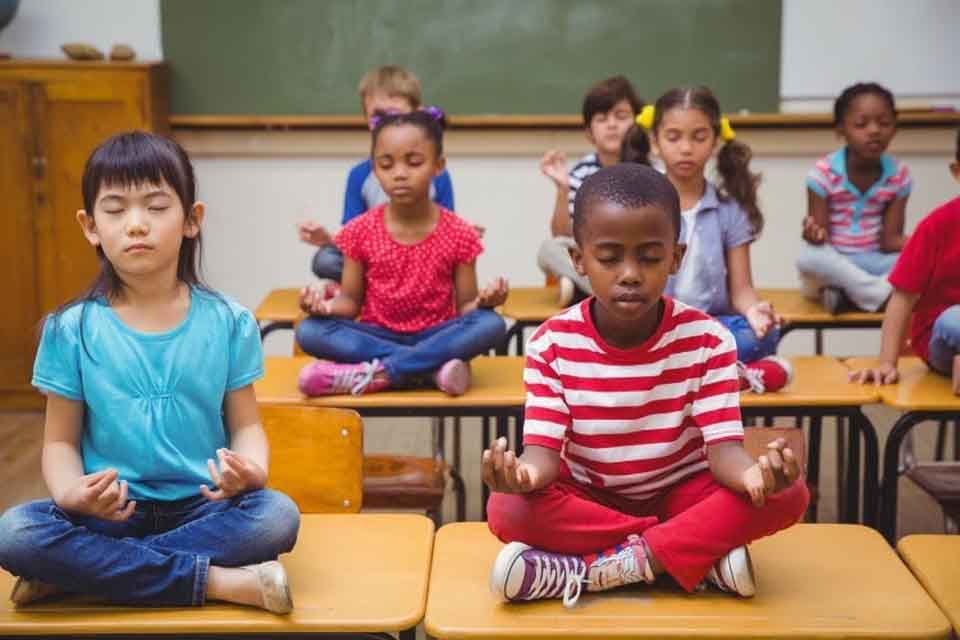
Holistic education is an educational approach that focuses on developing the whole person rather than concentrating only on academic achievement. It supports students’ intellectual, emotional, social, physical, creative, and, where appropriate, spiritual development. The main idea behind holistic education is that learning involves more than acquiring information or passing examinations; it also includes building relationships, developing self-awareness, cultivating values, and preparing students for meaningful lives.
In a holistic learning environment, teachers consider students’ individual needs, interests, abilities, emotions, and experiences. Lessons may combine academic subjects with creative activities, physical movement, teamwork, reflection, and practical problem-solving. This approach encourages students to understand themselves, respect others, and connect classroom knowledge with real-life situations.
Holistic education can be found in traditional schools, alternative schools, Montessori-inspired environments, nature-based programs, homeschooling, and other educational settings. Each institution may use different teaching methods, but the common goal is to support balanced development and lifelong learning.
For example, a lesson about environmental science might include reading about ecosystems, conducting a practical experiment, working in teams, discussing environmental responsibility, and creating an art project. Students develop scientific knowledge while also practicing collaboration, creativity, communication, and critical thinking.
Holistic education does not mean ignoring academic standards. Instead, it aims to combine academic learning with the broader skills and experiences students need to thrive in school, relationships, work, and society.
Key Takeaways About Holistic Education
- Holistic education focuses on the intellectual, emotional, social, physical, and creative development of students.
- It recognizes that students have different abilities, interests, learning preferences, and needs.
- It combines academic knowledge with practical experiences and personal development.
- Common teaching methods include project-based learning, collaborative activities, creative expression, reflection, and experiential learning.
- It encourages critical thinking, communication, empathy, independence, and problem-solving.
- Teachers act as guides who support students’ learning and personal growth.
- Holistic education can complement academic standards rather than replace them.
What Is the Main Purpose of Holistic Education?
The main purpose of holistic education is to help students develop the knowledge, skills, attitudes, and personal qualities needed for a balanced and fulfilling life. It recognizes that academic achievement is important, but it is only one part of a student’s overall development.
A holistic approach aims to nurture curiosity, emotional awareness, social responsibility, physical well-being, creativity, and intellectual growth. Students are encouraged to understand their strengths, identify areas for improvement, make thoughtful decisions, and develop positive relationships.
For example, a student working on a group project may learn scientific concepts while also practicing teamwork, listening, negotiation, and time management. If the project involves a real-world problem, students can also develop practical reasoning and learn how their decisions affect others.
Holistic education also emphasizes the relationship between learning and everyday life. Instead of treating knowledge as information to memorize, teachers help students apply what they learn to authentic situations.
Ultimately, the goal is to prepare students not only for examinations or future employment but also for responsible citizenship, lifelong learning, healthy relationships, and personal growth.
What Are the Main Principles of Holistic Education?
Holistic education is based on several interconnected principles that guide curriculum design, teaching methods, and student support.
Development of the Whole Child
Holistic education recognizes that students develop across multiple dimensions. Intellectual growth is connected to emotional experiences, social relationships, physical activity, and creative expression.
For example, a student who feels safe, supported, and included may find it easier to participate in classroom discussions and explore challenging ideas. Teachers therefore consider classroom relationships and student well-being alongside academic progress.
Student-Centered Learning
Student-centered learning places students’ needs, interests, abilities, and experiences at the center of the educational process.
Teachers may provide different activities, learning materials, or levels of support to help students reach shared learning objectives. Students may also have opportunities to ask questions, make choices, investigate topics, and reflect on their progress.
This approach does not mean students decide everything themselves. Teachers continue to provide structure, guidance, expectations, and instruction.
Learning Through Experience
Holistic education often emphasizes learning by doing. Practical activities allow students to apply concepts, test ideas, solve problems, and learn from mistakes.
Examples include conducting experiments, growing plants, creating models, interviewing community members, building objects, and organizing service projects.
Experiential learning helps connect theoretical knowledge with practical understanding and can make abstract concepts easier to grasp.
Emotional and Social Development
Students need opportunities to recognize emotions, communicate respectfully, cooperate with others, and resolve disagreements constructively.
Holistic classrooms may include group discussions, reflection activities, peer collaboration, and guided problem-solving. These experiences can help students develop empathy, self-awareness, resilience, and responsible behavior.
Creativity and Independent Thinking
Holistic education encourages students to explore ideas through art, music, writing, design, drama, and imaginative problem-solving.
Creative activities allow learners to express their understanding in different ways. They can also encourage experimentation, curiosity, and the ability to consider multiple solutions to a problem.
Connection With the Wider World
Learning becomes more meaningful when students can connect classroom concepts with their surroundings.
A lesson about ecosystems may involve observing a local garden, while a mathematics lesson might involve planning a budget for a class event. Community projects can help students understand social needs and the practical importance of their knowledge.
What Are the Different Dimensions of Holistic Education?
Holistic education addresses several areas of development. The balance between them depends on the student’s age, the curriculum, and the educational setting.
| Dimension | Main focus | Example activities |
|---|---|---|
| Intellectual | Knowledge, reasoning, and critical thinking | Reading, research, mathematics, science |
| Emotional | Self-awareness and emotional regulation | Reflection, guided discussion, recognizing feelings |
| Social | Communication, cooperation, and empathy | Team projects, peer learning, group discussions |
| Physical | Movement, coordination, and healthy habits | Sports, outdoor play, physical education |
| Creative | Imagination and self-expression | Music, art, drama, creative writing |
| Ethical and moral | Responsibility, fairness, and respect | Ethical discussions, community service |
| Spiritual or existential, where appropriate | Meaning, values, and reflection | Quiet reflection, discussing purpose, studying worldviews |
Spiritual development is not a required component of every holistic education program. Some schools include religious or spiritual practices, while secular programs may focus on reflection, personal meaning, ethical understanding, and appreciation of different perspectives.
The aim is to provide students with opportunities to develop across these dimensions without assuming that every learner has identical needs or beliefs.
What Are the Benefits of Holistic Education?
Holistic education can offer academic, personal, and social benefits when its activities are thoughtfully designed and supported by effective teaching.
1. Supports Academic Learning
Holistic education does not exclude academic achievement. It can strengthen learning by connecting subjects with practical experiences, student interests, and meaningful questions.
For example, students studying mathematics may apply measurement and calculation skills while designing a garden. They might also use writing to explain the design and science to select suitable plants.
Connecting ideas across subjects can help students recognize the relevance of academic knowledge and apply it in new situations.
2. Encourages Emotional Awareness
Students experience frustration, excitement, uncertainty, and disappointment as they learn. Holistic education provides opportunities to identify these feelings and respond constructively.
Teachers may encourage students to reflect on what they found difficult, what helped them succeed, and what they could try next time. This can support self-awareness and persistence.
Emotional development does not happen automatically, however. It requires supportive relationships, appropriate guidance, and classroom practices that treat students fairly.
3. Develops Social Skills
Collaboration is a common feature of holistic education. Group projects, discussions, and community activities give students opportunities to listen, share ideas, manage disagreements, and contribute to shared goals.
These skills are useful in school and later life because people frequently need to work with others who have different opinions, experiences, and strengths.
Teachers can support social development by assigning clear roles, establishing respectful discussion rules, and helping students address conflicts constructively.
4. Builds Creativity and Critical Thinking
Holistic learning often includes open-ended tasks that allow students to investigate questions and develop their own solutions.
For example, students might design a low-waste school lunch system. They would need to research waste, calculate quantities, consider costs, develop creative ideas, and evaluate which solutions are practical.
Such activities encourage students to use knowledge flexibly rather than rely exclusively on memorized answers.
5. Promotes Independence and Responsibility
Students can develop independence when they are given appropriate choices and responsibility for parts of their learning.
They might select a research topic, plan a project schedule, monitor their progress, or evaluate their work against clear criteria.
These experiences can strengthen planning, organization, decision-making, and self-assessment. Teachers remain available to provide guidance and ensure that students receive the support they need.
6. Encourages Healthy Habits and Physical Activity
Holistic education recognizes that physical development and movement are important parts of students’ overall educational experience.
Physical education, outdoor exploration, movement breaks, and practical activities can provide opportunities to develop coordination, teamwork, and awareness of healthy habits.
Schools should adapt activities to different abilities and ensure that participation is safe and inclusive.
7. Strengthens Real-World Problem-Solving
Real-world projects help students connect several areas of knowledge while considering practical limitations.
A project about water conservation, for example, might involve measuring water use, researching conservation methods, preparing a report, and presenting recommendations to the school community.
Students practice applying information, evaluating options, communicating findings, and considering the consequences of their decisions.
What Are Examples of Holistic Education in the Classroom?
Holistic education can be implemented through everyday lessons and projects. Schools do not need to redesign their entire curriculum to introduce its principles.
Project-Based Learning
Students investigate a question or solve a problem over an extended period. A project about renewable energy might include scientific research, mathematical calculations, model construction, teamwork, and a final presentation.
This approach combines academic learning with communication, creativity, and planning.
Nature-Based Learning
Teachers use outdoor environments to help students explore science, geography, environmental responsibility, and observation skills.
Students might maintain a school garden, observe insects, record weather patterns, or compare different soil types. Activities can also encourage curiosity and appreciation of the natural world.
Art and Creative Expression
Art, music, drama, and creative writing can help students express ideas and demonstrate understanding.
For example, students studying a historical period might create a timeline illustration, perform a short scene, or write a diary entry from the perspective of a historical character. Teachers can assess historical accuracy alongside creativity and communication.
Social and Emotional Learning Activities
Students may participate in guided discussions, reflection exercises, and collaborative activities that encourage emotional awareness and respectful relationships.
A teacher might ask students to consider how a disagreement developed, identify the needs of the people involved, and suggest constructive ways to resolve the conflict.
Community-Based Learning
Community projects allow students to explore issues beyond the classroom. They might investigate local environmental concerns, interview community members, organize a donation drive, or develop informational materials about recycling.
These activities can help students understand how academic knowledge relates to community needs and civic responsibility.
What Teaching Methods Are Used in Holistic Education?
Teachers use different methods depending on students’ ages, curriculum requirements, and learning objectives.
- Experiential learning: Students learn through practical activities, experimentation, and reflection.
- Project-based learning: Learners investigate meaningful questions and develop solutions or products.
- Collaborative learning: Students work together to share ideas and achieve common goals.
- Inquiry-based learning: Teachers encourage students to ask questions, investigate evidence, and develop explanations.
- Creative learning: Art, music, drama, and design provide additional ways to explore and communicate ideas.
- Reflective learning: Students evaluate their experiences, recognize progress, and identify areas for improvement.
- Outdoor learning: Nature and community environments become settings for observation and practical investigation.
- Differentiated instruction: Teachers adjust learning materials, activities, or support to address different student needs.
These methods can be combined with direct teaching, structured practice, textbooks, assessments, and other established educational techniques. Holistic education is not limited to one teaching style.
What Is the Difference Between Holistic Education and Traditional Education?
Holistic education and traditional education are not necessarily opposites. Many traditional schools support students’ social, emotional, and creative development, while holistic schools still teach academic subjects and assess learning.
The main difference is often the emphasis placed on the whole student’s development and how the curriculum connects different learning experiences.
| Feature | Holistic education | Traditional academic approach |
|---|---|---|
| Main emphasis | Whole-person development alongside academic learning | Often emphasizes subject knowledge and academic achievement |
| Curriculum | May integrate subjects and real-world experiences | Often organizes learning by individual subjects |
| Teaching methods | May emphasize projects, reflection, collaboration, and experience | May emphasize structured lessons, textbooks, practice, and assessments |
| Student development | Explicitly considers emotional, social, physical, and creative needs | Depends on the school’s philosophy and curriculum |
| Assessment | May include projects, portfolios, observation, and tests | Often includes tests, assignments, examinations, and projects |
| Teacher’s role | Instructor, facilitator, and guide | Instructor and guide, depending on the approach |
A balanced school can combine strong academic instruction with holistic principles. The quality of teaching and the way student needs are addressed matter more than the label used by an institution.
What Is the Difference Between Holistic Education and Montessori Education?
Holistic education is a broad philosophy that focuses on the development of the whole person. Montessori education is a specific educational approach developed by Maria Montessori, emphasizing independence, hands-on learning materials, carefully prepared environments, and learning that responds to children’s developmental needs.
| Feature | Holistic education | Montessori education |
|---|---|---|
| Overall approach | Broad focus on whole-person development | A defined educational method |
| Student development | Intellectual, emotional, social, physical, and creative growth | Independence, concentration, practical skills, and academic development |
| Learning environment | Varies by school and philosophy | Uses a prepared environment with specialized materials |
| Student choice | May include choices in activities and projects | Often provides structured freedom to choose work |
| Teaching methods | May include projects, reflection, collaboration, and outdoor learning | Commonly includes hands-on materials and self-directed activities |
Montessori education can support holistic development, but the terms are not interchangeable. A holistic school may use Montessori-inspired practices, or it may follow a different educational model.
What Challenges Can Schools Face When Implementing Holistic Education?
Although holistic education offers several potential advantages, schools may face challenges when introducing it.
One challenge is balancing broad development goals with academic requirements. Teachers must ensure that creative and practical activities still teach the required knowledge and skills. Clear learning objectives and suitable assessments can help maintain this balance.
Another challenge is time. Projects, outdoor learning, reflection, and collaborative activities may require more preparation than a conventional lesson. Teachers need appropriate resources, planning time, and support from school leadership.
Assessment can also be complicated. Academic knowledge can often be measured through tests, while qualities such as collaboration, creativity, and emotional awareness may require observation, portfolios, self-assessment, or structured feedback. Teachers should use clear criteria and avoid making unfair judgments about students’ personalities.
Finally, students have different needs and preferences. Some thrive in open-ended projects, while others benefit from greater structure and explicit instruction. A successful holistic program provides a range of approaches instead of assuming one method works for everyone.
How Can Parents Support Holistic Education at Home?
Parents and caregivers can support holistic development through everyday experiences, conversations, and routines.
Reading together can build vocabulary, comprehension, curiosity, and communication skills. Cooking, gardening, building models, and planning family activities can introduce practical mathematics, scientific thinking, problem-solving, and responsibility.
Creative activities such as drawing, music, storytelling, and craft projects give children opportunities to explore ideas and express themselves. Outdoor walks and physical play can encourage movement, observation, and appreciation of nature.
Parents can also support emotional and social development by listening carefully, discussing feelings, modeling respectful communication, and helping children work through disagreements. Giving children age-appropriate responsibilities can help them develop independence and confidence.
It is important to allow time for rest, play, and exploration. Holistic education is not about filling every moment with an activity. It is about creating a balanced environment in which children can learn, build relationships, develop skills, and grow at a suitable pace.
Frequently Asked Questions About Holistic Education
What is holistic education in simple words?
Holistic education is an approach that develops the whole student rather than focusing only on academic results. It supports intellectual, emotional, social, physical, and creative development through academic lessons, practical activities, relationships, and personal reflection.
What are the main goals of holistic education?
The main goals are to support academic learning, personal growth, emotional awareness, social skills, creativity, independence, and responsible decision-making. Holistic education aims to prepare students for lifelong learning and meaningful participation in society.
What is an example of holistic education?
An example is a school garden project in which students learn biology by studying plants, mathematics by measuring garden beds, teamwork by sharing responsibilities, and communication by presenting their findings. The project combines academic knowledge with practical and social learning.
Is holistic education better than traditional education?
Neither approach is automatically better for every student. Holistic education explicitly emphasizes development across several areas, while traditional approaches may provide strong structure and academic instruction. Effective schools can combine both to meet students’ educational needs.
What are the five areas of holistic education?
A common way to describe holistic education is through intellectual, emotional, social, physical, and creative development. Some educational frameworks also include ethical, moral, or spiritual development. The exact categories vary between institutions and educational philosophies.
Conclusion
Holistic education is an approach to teaching and learning that recognizes students as whole individuals with intellectual, emotional, social, physical, and creative needs. It aims to combine academic achievement with the development of practical skills, healthy relationships, self-awareness, curiosity, and responsible behavior.
Through activities such as project-based learning, outdoor exploration, creative expression, collaboration, and reflection, students can connect classroom knowledge with real-life experiences. These methods can help them develop communication, problem-solving, independence, and a deeper understanding of the world.
Holistic education does not require schools to abandon traditional academic subjects or formal assessments. Instead, it encourages educators to combine strong academic foundations with meaningful opportunities for broader development. When supported by thoughtful teaching, inclusive practices, and clear learning goals, holistic education can help students prepare for both academic success and life beyond the classroom.