
A mental health logo is a visual symbol used to represent mental wellness, emotional support, psychological care, and mental health awareness. It helps organizations, healthcare professionals, counseling centers, advocacy groups, and wellness programs communicate their purpose in a recognizable way. A thoughtfully designed mental health logo can express compassion, hope, healing, understanding, and trust. Common elements include green ribbons, hearts, human silhouettes, brains, leaves, circles, and abstract designs that represent emotional balance. Choosing the right colors, shapes, typography, and symbols is essential for creating a logo that communicates a positive message. Whether the logo is intended for a mental health clinic, nonprofit organization, school campaign, or wellness brand, its design should be clear, respectful, inclusive, and meaningful.
What Is a Mental Health Logo?

A mental health logo is a graphic identity that represents a mental health-related organization, service, campaign, or initiative.
It may be used by:
- Mental health clinics
- Counseling centers
- Psychologists and therapists
- Mental health nonprofits
- Wellness organizations
- Educational institutions
- Awareness campaigns
- Support groups
- Mental health applications
A logo helps people identify an organization and understand its values. In mental health settings, it can communicate safety, empathy, hope, and professional support.
A good mental health logo should be simple, memorable, and easy to recognize across different platforms, including websites, social media, printed materials, business cards, and signage.
What Does a Mental Health Logo Represent?
Mental health logos can communicate several important ideas.
| Symbolic Meaning | Description |
| Hope | Encourages optimism and the possibility of improvement |
| Healing | Represents recovery and personal growth |
| Support | Communicates care, understanding, and connection |
| Emotional balance | Suggests stability and well-being |
| Awareness | Promotes education and public understanding |
| Compassion | Represents kindness and empathy |
| Trust | Helps communicate a professional and supportive identity |
| Inclusion | Reflects respect for people from different backgrounds |
The meaning of a logo depends on its design and the organization using it. A symbol should not imply that mental health challenges can always be solved easily or that recovery follows one universal path.
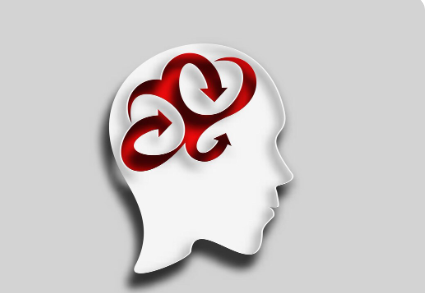
Mental health logos often use familiar symbols to communicate their message.
Green Mental Health Awareness Ribbon
The green ribbon is widely recognized as a symbol of general mental health awareness. It represents hope, renewal, recovery, and support.
A green ribbon can be used in logos for awareness campaigns, educational programs, and advocacy initiatives.
Brain Symbol
A brain is a direct visual representation of mental processes, cognition, and psychological health.
Brain symbols are frequently used by mental health clinics, psychology organizations, educational programs, and mental wellness applications.
Heart Symbol
A heart can represent compassion, emotional well-being, kindness, and care.
Heart-based logos may be suitable for counseling centers, support groups, and wellness organizations.
Human Silhouette
A human silhouette can represent individuals, community, personal development, and human connection.
When combined with a circle or other abstract elements, it can communicate inclusion and support.
Leaf Symbol
Leaves are often associated with nature, renewal, growth, and balance.
A leaf-based mental health logo may be appropriate for wellness programs, mindfulness services, and organizations emphasizing personal growth.
Circle Symbol
Circles can suggest unity, continuity, connection, and wholeness.
Circular designs are commonly used to create simple, balanced logos that work well across digital and printed materials.
Best Colors for a Mental Health Logo
Color selection is an important part of logo design because it influences the visual impression of a brand.
| Color | Common Meaning | Suitable Logo Applications |
| Green | Hope, growth, recovery | Mental health awareness organizations |
| Blue | Calmness, trust, stability | Therapy clinics and counseling services |
| Purple | Compassion, dignity, awareness | Advocacy and wellness initiatives |
| Teal | Balance, calmness, support | Emotional wellness programs |
| White | Simplicity, clarity | Minimalist logo designs |
| Soft Pink | Warmth, kindness, compassion | Support-focused organizations |
| Gray | Neutrality, professionalism | Clinical and professional identities |
Green is widely recognized as the general mental health awareness color, including through the green awareness ribbon.
However, individual mental health organizations may use different brand colors. For example, NAMI uses a blue-based identity, while other mental health initiatives use purple or multicolor palettes.
Mental Health Logo Design Ideas
A mental health logo can be designed in different styles depending on the intended audience and purpose.
| Logo Design Idea | Visual Concept | Best For |
| Green ribbon logo | Ribbon with a simple wordmark | Awareness campaigns |
| Brain and heart logo | Brain combined with a heart shape | Psychology and wellness services |
| Human connection logo | Two or more figures forming a circle | Support groups |
| Leaf and mind logo | Leaf integrated into a brain or head outline | Mindfulness and wellness brands |
| Abstract balance logo | Symmetrical shapes representing balance | Counseling services |
| Sunrise logo | Sun rising over a simple horizon | Recovery and hope campaigns |
| Minimal wordmark | Brand name with clean typography | Professional clinics |
| Circle of support logo | People or symbols arranged in a circle | Community organizations |
A logo should communicate its message without becoming overly complicated. Simple visual elements are often easier to recognize and reproduce.
How to Create a Mental Health Logo
Creating an effective mental health logo requires planning and attention to the organization’s purpose.
Define the Purpose
Start by identifying what the logo should represent. A counseling clinic may want to communicate trust and professionalism, while an awareness campaign may focus on hope and solidarity.
Choose a Meaningful Symbol
Select a symbol that reflects the intended message. Common choices include a green ribbon, heart, leaf, brain, or abstract human figure.
Select a Color Palette
Choose colors that support the organization’s identity. Green is a recognizable option for general awareness, while blue may be selected for a calm and professional visual style.
Use Readable Typography
The organization’s name should be easy to read. Clean sans-serif fonts are often appropriate for modern logos, while other typefaces may be chosen to match a specific brand personality.
Keep the Design Simple
Avoid using too many symbols, colors, or decorative elements. A simple logo is generally easier to recognize on websites, social media profiles, and printed materials.
Test Different Sizes
A logo should remain readable when displayed on a small business card, mobile screen, or large banner.
Consider Accessibility
Ensure that text and symbols have sufficient contrast against their backgrounds. Do not rely on color alone to communicate important information.
Mental Health Logo for Different Organizations
Different organizations may need different visual identities.
| Organization Type | Recommended Design | Suggested Colors |
| Mental health clinic | Professional wordmark with simple symbol | Blue, green, white |
| Counseling center | Heart or supportive human figure | Teal, green |
| Mental wellness brand | Leaf, circle, or abstract mind symbol | Sage green, beige |
| Mental health nonprofit | Ribbon or community symbol | Green, purple |
| School awareness program | Simple, friendly symbol | Green, blue, yellow |
| Psychology practice | Minimal brain or abstract symbol | Blue, teal, gray |
| Support group | Circle of people or heart | Green, purple, teal |
The logo should be appropriate for the organization’s audience and services. A clinic may require a more formal identity, while a community awareness program may use a more expressive design.
Mental Health Logo and Brand Identity
A logo is only one part of a brand identity. Organizations may also use consistent colors, typography, messaging, and design elements across their materials.
A mental health brand identity can include:
- Logo and wordmark
- Brand colors
- Typography
- Website design
- Social media graphics
- Posters and brochures
- Awareness campaign materials
- Business cards
- Educational resources
Consistency helps people recognize an organization and understand its message.
Mental health branding should also be inclusive and respectful. Designs should avoid stereotypes or imagery that portrays people with mental health conditions as frightening, weak, or defined by their diagnosis. A positive and balanced identity can help communicate respect and support.
Frequently Asked Questions
What is the symbol for mental health?
There is no single universal logo adopted by every mental health organization. The green ribbon is widely recognized as an international symbol of mental health awareness. Other symbols, such as hearts, brains, leaves, and abstract human figures, are also used.
What color is used in a mental health logo?
Green is a widely recognized color for general mental health awareness. Blue, teal, purple, and other colors may be used depending on the organization’s branding and purpose.
What should a mental health logo include?
A mental health logo may include a meaningful symbol, a readable organization name, and a suitable color palette. Common symbols include green ribbons, hearts, brains, leaves, and human figures.
Is a green ribbon a mental health logo?
A green ribbon is a widely recognized mental health awareness symbol. Organizations may incorporate it into their logos, but it is not the only symbol used to represent mental health.
Can a mental health clinic use a brain logo?
Yes. A brain symbol can represent psychology, cognition, and mental health services. It should be designed in a clear, respectful, and approachable way.
What makes a good mental health logo?
A good mental health logo is simple, memorable, readable, meaningful, inclusive, and accessible. It should reflect the organization’s purpose and remain recognizable across different sizes and platforms.
Can I create a mental health logo for a school campaign?
Yes. A school campaign can use a green ribbon, supportive message, heart symbol, or simple illustration. The design should be appropriate for students and encourage respectful awareness.
Conclusion
A mental health logo is a meaningful visual representation of awareness, emotional well-being, support, and recovery. Symbols such as green ribbons, hearts, brains, leaves, and human figures can communicate important messages about mental health. Green is widely recognized as the color of general mental health awareness, although organizations may choose other colors to match their identity. Creating an effective logo involves selecting a relevant symbol, using readable typography, choosing accessible colors, and keeping the design simple. Whether it is developed for a counseling center, nonprofit organization, school campaign, or wellness brand, a mental health logo should promote compassion, inclusion, and understanding. A thoughtful design can help an organization establish a recognizable identity while encouraging positive conversations about mental health.