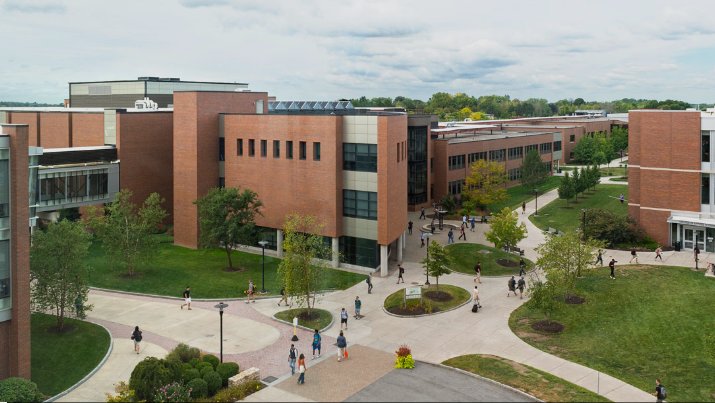
Rochester Institute of Technology is a well-known university recognized for its focus on technology, innovation, design, computing, engineering, and career-oriented education. Located in Rochester, New York, the institution combines academic learning with practical experience, research, creativity, and professional development. Students from different backgrounds can explore undergraduate and graduate programs across technology, business, science, the arts, and other fields. Its interdisciplinary approach makes it an interesting choice for students who want to connect traditional academic subjects with modern technology and real-world applications. Understanding its academic programs, campus environment, admissions process, career opportunities, and student resources can help prospective students determine whether the university fits their educational goals.
Understanding Rochester Institute of Technology
Rochester Institute of Technology, commonly known as RIT, has developed a strong identity around technology and applied learning. The university offers a broad selection of academic disciplines while maintaining an emphasis on innovation and practical problem solving. Rather than limiting education to classroom theory, many programs encourage students to work on projects, participate in research, collaborate with other students, and gain professional experience.
The university serves undergraduate, graduate, and professional students. Its academic environment brings together areas such as computing, engineering, business, design, science, communications, and the arts. This combination allows students to approach modern problems from multiple perspectives.
Academic Programs and Areas of Study
RIT provides programs across numerous academic areas. Computing is an important part of the university, with students able to explore subjects such as computer science, software development, cybersecurity, artificial intelligence, information technology, and data-related fields.
Engineering is another major area of study. Students can pursue subjects involving mechanical systems, electrical technology, manufacturing, robotics, and other engineering applications. These programs often connect technical theory with practical projects.
The university also offers programs in business, design, science, communication, liberal arts, and the arts. This range means that students do not have to choose between technology and creative or business-oriented education. They can often combine different interests through interdisciplinary coursework and projects.
Technology and Computing Education
Technology is deeply integrated into the academic environment at RIT. Computing students can develop knowledge in programming, databases, software engineering, cybersecurity, artificial intelligence, networking, and related areas.
The importance of technology extends beyond computing programs. Students in business, design, engineering, science, and communication can also encounter digital tools and technological applications relevant to their fields.
This technology-centered environment can be particularly useful for students who want careers in rapidly changing industries. Learning technical concepts while developing communication, teamwork, and problem-solving abilities can provide a broader educational foundation.
Engineering and Applied Learning
Engineering education at RIT emphasizes the relationship between academic concepts and practical applications. Students may work with laboratory equipment, software, engineering systems, prototypes, and collaborative projects depending on their chosen discipline.
Applied learning can help students understand how mathematical and scientific concepts are used to solve real problems. Instead of treating engineering as purely theoretical, project-based experiences can expose students to design decisions, testing, troubleshooting, documentation, and teamwork.
This approach is also valuable for students preparing for professional environments, where engineers frequently need to communicate ideas and collaborate with people from different technical backgrounds.
Design, Arts, and Creative Programs
Although technology is central to RIT’s identity, the university also has a substantial creative and design-oriented academic environment. Students can explore areas involving graphic design, photography, animation, film, interactive media, visual communication, and other creative disciplines.
The combination of creativity and technology is increasingly important across industries. Designers may use advanced software and digital production techniques, while technology companies often need professionals who understand visual communication and user experience.
Students interested in creative careers can therefore benefit from an environment where artistic thinking and technical skills can overlap.
Research and Innovation
Research is an important component of university education, particularly for students interested in advanced technologies and specialized fields. Research activities can involve areas such as computing, engineering, science, imaging, sustainability, health-related technology, and creative disciplines.
Student participation in research can help develop skills that extend beyond normal coursework. Research projects can require students to identify questions, evaluate information, conduct experiments, analyze results, and communicate findings.
Innovation also plays a role in the university environment. Students may develop ideas through academic projects, entrepreneurship programs, competitions, and interdisciplinary collaboration.
Experiential Learning and Co-op Opportunities
One of the distinctive aspects of an RIT education is its emphasis on experiential learning. Students can have opportunities to apply classroom knowledge through internships, cooperative education, projects, research, and other professional experiences.
Cooperative education, often called co-op, can give students exposure to professional workplaces while they are completing their degrees. Depending on the program, students may spend periods working with employers and then return to academic study.
Such experiences can help students understand workplace expectations, develop professional communication skills, build resumes, and explore potential career paths before graduation.
Admissions and Application Process
Students interested in attending RIT need to review the admission requirements associated with their specific program. Requirements can differ between undergraduate and graduate programs and may also vary according to the academic discipline.
Applicants generally need to provide academic information and application materials demonstrating their preparation for university-level study. Some programs may place additional emphasis on portfolios, prerequisites, previous coursework, or other materials.
Prospective students should carefully review deadlines and requirements before applying. Preparing academic records, personal statements, recommendation materials where required, portfolios when applicable, and other documents in advance can make the application process more organized.
Campus and Student Life
RIT’s campus environment supports both academic and extracurricular activities. Students can participate in clubs, organizations, athletics, cultural activities, professional groups, and special-interest communities.
Student organizations can provide opportunities to meet people with similar interests and develop leadership experience. Technical clubs may allow students to work on projects, while cultural and social organizations can contribute to a broader campus experience.
A university experience is not limited to classroom performance. Building relationships, participating in activities, and developing interpersonal skills can be an important part of a student’s personal and professional growth.
Career Preparation and Employment Opportunities
Career preparation is a significant part of a technology-focused education. Students can receive support with resumes, interviews, professional communication, internships, employer interactions, and career planning.
The combination of academic knowledge and practical experience can help students demonstrate skills to potential employers. Students in fields such as software development, engineering, cybersecurity, design, business, data analysis, and digital media may pursue different professional pathways after graduation.
Career preparation should begin well before the final semester. Students can improve their opportunities by building relevant projects, developing technical skills, completing internships or co-op experiences, and establishing professional connections throughout their degree.
International Students and Global Education
RIT attracts students from different countries and provides an environment where international students can study alongside peers from diverse backgrounds. International students may need to consider additional application, immigration, financial, and documentation requirements.
Studying in another country can provide exposure to different professional practices and cultural perspectives. Students can also develop communication and adaptability skills that may be useful in international workplaces.
Prospective international students should carefully research program requirements, tuition planning, visa-related responsibilities, housing, insurance, and other practical considerations before beginning their studies.
Cost and Financial Planning
The total cost of attending a university includes more than tuition. Students should consider housing, food, transportation, books, technology, personal expenses, and other costs when creating an education budget.
Financial aid and scholarship opportunities may be available depending on eligibility and program requirements. Students should investigate available funding options early and understand the difference between scholarships, grants, loans, and work opportunities.
Creating a realistic budget before enrollment can help students plan their education more effectively and avoid unexpected financial pressure.
Key Points to Remember
Rochester Institute of Technology combines technology with a broad range of academic disciplines.
The university offers programs in computing, engineering, business, design, science, arts, and other fields.
Experiential learning is an important part of the educational approach.
Cooperative education and professional experiences can help students connect academic learning with workplace expectations.
Research and innovation provide opportunities for students interested in advanced projects and specialized areas.
Campus organizations and activities can contribute to personal development beyond academics.
Students should research individual program requirements because admission standards and academic expectations can vary.
Financial planning should account for tuition as well as living and educational expenses.
Tips for Prospective Students
Students considering RIT should begin by identifying the academic field that best matches their interests and career goals. Comparing individual programs is more useful than evaluating the university only as a whole because course structures and opportunities can differ considerably.
Review admission requirements early and create a timeline for completing application materials. If a program requires a portfolio or specific prerequisite courses, give yourself enough time to prepare them properly.
Students should also explore experiential learning opportunities before enrollment. Understanding how internships, co-op experiences, research, and projects fit into a degree can help with long-term planning.
Campus life should also be considered. Look at student organizations, housing options, academic support, recreation, and other services that can influence the overall university experience.
Finally, prepare a complete financial plan. Consider tuition, accommodation, transportation, meals, books, technology, and personal expenses rather than focusing only on the published tuition amount.
Final Thoughts
Rochester Institute of Technology offers an education that brings together technology, practical learning, research, creativity, and professional preparation. Its academic environment covers computing, engineering, business, design, science, arts, and other disciplines, giving students multiple pathways to develop specialized skills. Experiential learning can also help students connect academic concepts with real workplace situations. For prospective students, the most important step is to examine individual programs, admission requirements, career opportunities, financial considerations, and campus resources before making a decision. A careful review of these areas can help students understand what the university offers and how it may align with their long-term educational objectives.
Frequently Asked Questions
What is Rochester Institute of Technology known for?
RIT is particularly known for technology, computing, engineering, design, applied learning, and career-focused education. It also offers programs in business, science, arts, communication, and liberal arts.
Where is Rochester Institute of Technology located?
RIT is located in Rochester, New York. Its campus provides academic facilities, student housing, recreational spaces, laboratories, and resources supporting student activities.
Does RIT offer computer science programs?
Yes. RIT offers programs and academic opportunities in computing and related areas, including fields connected with computer science, software, cybersecurity, information technology, artificial intelligence, and data.
Does RIT provide experiential learning opportunities?
Yes. Experiential learning is an important part of the university’s educational approach. Depending on the program, students may participate in co-op experiences, internships, research, projects, and other practical activities.
What should students consider before applying to RIT?
Students should consider their intended program, admission requirements, curriculum, experiential learning opportunities, career goals, campus environment, financial costs, and available student support services before applying.